IHA Cloud

Author name: Shivam Pokhriyal

Cloud Cost Optimization Guide

Cloud Cost Optimization Guide: How IHA Cloud Helps Businesses Save Without Sacrificing Performance

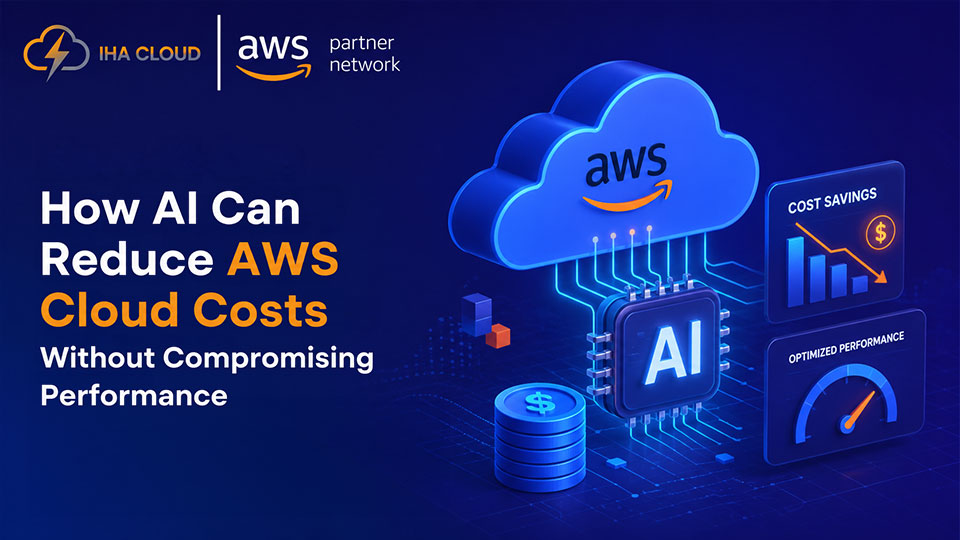
Cloud is powerful—but let’s be honest, it can also get expensive fast. Many businesses start with flexibility and scalability in mind, only to end up with unpredictable bills, unused resources, and over-provisioned infrastructure. The good news? You don’t have to choose between cost savings and performance. This guide breaks down how smart cloud cost optimization works—and how IHA Cloud helps businesses strike the perfect balance. 🚨 The Real Problem: Why Cloud Costs Spiral Before fixing the problem, it’s important to understand it. Most cloud overspending happens due to: In short: you’re paying for more than you actually use. 💡 What is Cloud Cost Optimization? Cloud cost optimization is the process of: It’s not about cutting corners—it’s about using the cloud smarter. ⚙️ Key Strategies to Optimize Cloud Costs 1. Right-Sizing Resources Instead of running oversized instances, analyze usage patterns and scale resources based on actual demand. 👉 Result: No more paying for unused capacity. 2. Auto-Scaling for Demand Traffic fluctuates—your infrastructure should too. With auto-scaling: 👉 Result: Performance stays high, costs stay controlled. 3. Eliminating Idle Resources Unused instances, storage, and load balancers quietly drain your budget. 👉 Regular audits = instant savings. 4. Smart Storage Optimization Not all data needs high-performance storage. 👉 Result: Lower storage bills without losing data access. 5. Reserved & Spot Instances Instead of paying on-demand pricing: 👉 Result: Significant cost reductions (up to 70%+ in some cases) 6. Continuous Monitoring & Alerts You can’t optimize what you can’t see. 👉 Result: No more billing surprises. 🚀 How IHA Cloud Makes Cost Optimization Effortless This is where IHA Cloud stands out—not just as a cloud provider, but as a cost optimization partner. 🔍 Deep Cost Analysis IHA Cloud audits your infrastructure to identify: You get clear insights—not confusing dashboards. ⚡ Intelligent Resource Optimization From right-sizing to auto-scaling, IHA Cloud ensures: 👉 You only pay for what you actually need. 🤖 Automation-Driven Savings Manual optimization doesn’t scale. IHA Cloud uses automation to: 👉 Savings happen in the background—without effort. 📊 Transparent Cost Visibility No hidden costs. No confusion. 👉 You stay in control of your cloud spend. 🔒 Performance-First Approach Cost cutting should never hurt performance. IHA Cloud ensures: 👉 Your users get the best experience—always. 📈 Real Impact: What Businesses Gain With proper cloud optimization and IHA Cloud support, businesses typically achieve: 🎯 Final Thoughts Cloud cost optimization isn’t about spending less—it’s about spending right. When done correctly, you get: And with IHA Cloud, you don’t have to figure it out alone.

Cloud Cost Optimization Guide: How IHA Cloud Helps Businesses Save Without Sacrificing Performance Read More »

AWS and the Rise of AI Agents

AWS and the Rise of AI Agents: How Amazon Bedrock AgentCore Is Shaping the Future of Autonomous Applications

Artificial Intelligence is rapidly evolving beyond simple automation and generative capabilities. The next major shift is agentic AI—systems that can plan, decide, and act independently to complete tasks. At the center of this transformation is Amazon Web Services (AWS), which is investing heavily in tools that enable developers to build and deploy intelligent, autonomous agents at scale. With innovations like Amazon Bedrock and its emerging AgentCore capabilities, AWS is laying the groundwork for a new era of applications that don’t just respond—but act. What Are AI Agents? AI agents are systems designed to: Unlike traditional automation scripts, AI agents can operate dynamically. For example: This shift marks the move from prompt-based AI to goal-driven AI systems. AWS’s Vision for Agentic AI AWS is positioning itself as a leader in the AI agent ecosystem by combining: Through Amazon Bedrock, AWS allows businesses to build generative AI applications using multiple models while maintaining enterprise-grade security. The addition of AgentCore-like capabilities introduces: This means developers can now build fully autonomous applications, not just chatbots. What Is Amazon Bedrock AgentCore? AgentCore is part of AWS’s broader effort to make AI agents production-ready. While still evolving, it focuses on enabling: 1. Agent Orchestration Manage complex workflows where multiple AI agents collaborate to complete tasks. 2. Tool Integration Agents can interact with APIs, databases, CRMs, and third-party services. 3. Memory & Context Awareness Persistent memory allows agents to retain context across interactions, improving decision-making. 4. Secure Execution Built on AWS infrastructure, ensuring enterprise-grade compliance and data protection. Key Benefits for Businesses 🔹 1. Automation Beyond Scripts AI agents can handle complex, multi-step workflows without manual intervention. 🔹 2. Improved Customer Experience Autonomous agents can resolve queries faster and more accurately. 🔹 3. Operational Efficiency Reduce workload on teams by delegating repetitive and decision-heavy tasks. 🔹 4. Scalability Built on AWS, these agents can scale across regions and workloads effortlessly. Real-World Use Cases 🛠️ DevOps Automation AI agents can monitor systems, detect anomalies, and trigger fixes automatically. 📞 Intelligent Contact Centers Autonomous agents can manage inbound calls, analyze intent, and provide resolutions—perfect for platforms like call tracking and cloud communication tools. 🛒 E-commerce Optimization Agents can manage inventory, personalize recommendations, and automate customer engagement. 🏥 Healthcare Workflows From appointment scheduling to patient interaction, AI agents can streamline operations. AWS vs Traditional AI Approaches Traditional AI AI Agents on AWS Reactive responses Proactive decision-making Single-task execution Multi-step workflows Limited integration Deep system connectivity Static logic Adaptive learning Challenges to Consider While promising, AI agents also bring challenges: AWS addresses many of these through built-in security, monitoring, and compliance tools. The Future of Autonomous Applications The rise of AI agents signals a major transformation in how software is built and used. With AWS leading innovation in this space, we can expect: In the coming years, AI agents will become as fundamental as APIs and cloud infrastructure. Conclusion Amazon Web Services is not just enabling AI—it is redefining how applications operate. With Amazon Bedrock and AgentCore capabilities, businesses can move from automation to true autonomy. The question is no longer if AI agents will transform industries—but how quickly businesses will adopt them.

AWS and the Rise of AI Agents: How Amazon Bedrock AgentCore Is Shaping the Future of Autonomous Applications Read More »

Top 10 Cloud Security Trends For 2026

Top 10 Cloud Security Trends for 2026: Protecting Your Business in a Digital World

Cloud computing has become the backbone of modern digital businesses. From startups to global enterprises, organizations rely on cloud infrastructure to store data, run applications, and scale operations quickly. However, as cloud adoption grows, so do the security risks associated with it. Cybercriminals are increasingly targeting cloud environments using advanced techniques such as AI-powered attacks, identity theft, and software supply chain vulnerabilities. In 2026, businesses must adopt stronger and more intelligent cloud security strategies to protect sensitive data, maintain compliance, and ensure business continuity. From Zero Trust architectures to AI-driven threat detection, the cloud security landscape is evolving rapidly. In this article, we explore the top 10 cloud security trends for 2026 that organizations should understand to protect their digital infrastructure. 1. Zero Trust Security Becomes the Default Model Traditional perimeter-based security models are no longer effective in modern cloud environments. The Zero Trust model assumes that no user or device should be trusted automatically, whether inside or outside the network. Instead, every access request is continuously verified based on identity, device health, and behavioral context. Organizations are increasingly implementing least privilege access, continuous authentication, and identity-based policies. Key benefits of Zero Trust include: 2. AI-Powered Threat Detection and Response Artificial intelligence is transforming cloud security by enabling faster detection of threats and automated responses. AI-powered security tools can analyze massive volumes of logs and network activity to identify unusual behavior in real time. These systems use machine learning algorithms to detect anomalies, predict attacks, and prioritize security alerts. AI-driven security operations also reduce response time and improve overall incident management. Common AI security capabilities include: 3. Identity-First Security Architecture In cloud environments, identity is the new security perimeter. Many cloud breaches occur because attackers gain access through stolen credentials or compromised identities. Organizations are focusing on identity-centric security strategies such as: These technologies ensure that only authorized users and services can access critical cloud resources. 4. Protection Against AI-Powered Cyberattacks As businesses adopt AI, cybercriminals are also using AI to launch more sophisticated attacks. Deepfake phishing, automated malware generation, and AI-powered social engineering are becoming major threats. Recent reports show that many organizations are already facing AI-enabled attacks and misinformation campaigns. To counter these threats, companies are investing in: 5. DevSecOps Becomes Standard Practice Security is no longer something added at the end of the development process. Instead, organizations are integrating security directly into the software development lifecycle through DevSecOps. DevSecOps ensures that security checks occur at every stage of development, including: This approach helps detect vulnerabilities earlier and reduces the risk of security breaches in cloud applications. 6. Multi-Cloud Security Platforms Many businesses now use multiple cloud providers such as AWS, Azure, and Google Cloud. While this approach improves flexibility and reduces vendor lock-in, it also increases security complexity. As a result, organizations are adopting multi-cloud security platforms that provide centralized visibility, monitoring, and policy enforcement across different cloud environments. Recent industry developments also highlight the importance of securing multi-cloud environments as companies continue to scale cloud adoption globally. 7. Secure Access Service Edge (SASE) Secure Access Service Edge (SASE) is becoming a major cloud security architecture in 2026. It combines networking and security services into a single cloud-based framework. SASE integrates several technologies, including: This approach provides secure access to applications regardless of user location, making it ideal for remote and hybrid work environments. 8. Stronger Encryption and Data Protection Data protection remains a top priority for organizations storing sensitive information in the cloud. In 2026, businesses are adopting advanced encryption strategies such as: These techniques help ensure that sensitive information remains protected even if attackers gain access to cloud systems. 9. Security for Machine and Non-Human Identities Cloud environments increasingly rely on non-human identities, including APIs, bots, AI agents, and service accounts. These machine identities often outnumber human users and can create new security risks. If these identities have excessive permissions or lack proper monitoring, they can become an easy target for attackers. Organizations are therefore implementing governance frameworks to manage and monitor machine identities effectively. 10. Cloud Security Automation and Self-Healing Systems Automation is playing a major role in modern cloud security strategies. Automated security systems can detect misconfigurations, apply security patches, and remediate vulnerabilities without human intervention. Cloud Security Posture Management (CSPM) tools now use automation to: These self-healing security systems help organizations reduce risks and improve operational efficiency. How IHA Cloud Helps Businesses Strengthen Cloud Security As cloud threats continue to evolve, businesses need more than just basic security tools. They require a holistic cloud security strategy that combines infrastructure protection, identity security, monitoring, and compliance. This is where IHA Cloud helps organizations secure their digital environments. IHA Cloud provides advanced cloud and DevOps security solutions designed to protect applications, data, and infrastructure across modern cloud platforms. By combining automation, monitoring, and proactive security practices, businesses can significantly reduce risks and ensure continuous protection. Key ways IHA Cloud helps businesses improve cloud security include: 1. Secure Cloud Infrastructure SetupIHA Cloud helps businesses build and manage secure cloud environments with best practices for network security, access control, and infrastructure protection. 2. DevSecOps ImplementationSecurity is integrated directly into the development lifecycle, ensuring vulnerabilities are detected and resolved early during application development. 3. Continuous Monitoring and Threat DetectionAdvanced monitoring tools help identify unusual activities and potential threats before they cause damage. 4. Multi-Cloud Security ManagementOrganizations using multiple cloud providers can benefit from centralized monitoring, security policies, and compliance management. 5. Compliance and Data ProtectionIHA Cloud ensures businesses follow industry security standards while protecting sensitive data through encryption, secure access policies, and governance frameworks. By combining cloud expertise, automation, and security best practices, IHA Cloud helps organizations build a secure and scalable cloud infrastructure for the future. Conclusion Cloud technology continues to transform the way businesses operate, but it also introduces new security challenges. In 2026, organizations must adopt modern security frameworks that focus on identity, automation, and intelligent threat detection. Trends such as Zero Trust security, AI-driven protection, DevSecOps, and multi-cloud security platforms are becoming

Top 10 Cloud Security Trends for 2026: Protecting Your Business in a Digital World Read More »

Top 15 AWS Managed Hosting Companies for 2025

Top 15 AWS Managed Hosting Companies for 2026

Businesses today need cloud infrastructure that can support fast, reliable, and scalable digital experiences. As web applications grow in complexity and user demand continues to increase, managing cloud infrastructure internally can become challenging. This is where Top 15 AWS Managed Hosting Companies for High-Performance Web Applications become important for organizations looking to optimize their cloud environments without handling every technical detail themselves. AWS managed hosting providers help businesses deploy, monitor, and maintain cloud infrastructure while ensuring performance, security, and scalability. From startups building modern SaaS platforms to enterprises running large-scale applications, these providers offer expertise that helps organizations focus on development and innovation rather than infrastructure management. Quick Summary Table Company Key Services Best For IHA Cloud AWS managed hosting, DevOps automation, Kubernetes, cloud optimization Startups, SaaS platforms, high-traffic web apps Rackspace Technology AWS migration, managed infrastructure, monitoring, cloud security Enterprises needing fully managed cloud operations Cloudways Simplified AWS hosting, one-click deployment, automated backups Developers, agencies, WordPress and eCommerce sites Logicworks AWS management, security compliance, DevOps automation Healthcare, finance, regulated industries Accenture Cloud transformation, DevOps, AWS infrastructure modernization Large enterprises and global organizations Tata Consultancy Services (TCS) Cloud migration, managed operations, application modernization Enterprise applications and large digital platforms Capgemini Cloud consulting, DevOps services, performance optimization Enterprises modernizing legacy systems Deloitte Cloud strategy, infrastructure management, governance and security Businesses undergoing digital transformation Slalom Cloud architecture, DevOps automation, application modernization Growing digital businesses and startups Infosys AWS consulting, cloud migration, infrastructure management Enterprise SaaS and digital platforms Cognizant Managed cloud hosting, automation, performance optimization Healthcare, finance, retail industries Wipro Cloud consulting, infrastructure deployment, DevOps services Large-scale enterprise applications IBM Consulting Enterprise cloud management, AI workloads, data platforms Large enterprises with complex IT environments NTT DATA Cloud migration, managed infrastructure, disaster recovery Telecom, healthcare, and financial services DXC Technology Infrastructure management, DevOps, cloud modernization Mission-critical enterprise workloads 1. IHA Cloud – Best AWS Managed Company IHA Cloud is an emerging managed cloud and DevOps service provider focused on helping businesses build high-performance applications on AWS infrastructure. The company specializes in designing scalable architectures that support modern workloads such as SaaS platforms, high-traffic websites, and enterprise applications. Key AWS Managed Hosting Services IHA Cloud provides a comprehensive range of services for organizations that want to leverage AWS without managing the infrastructure themselves. These services help companies deploy web applications quickly while ensuring reliability and scalability. Performance Optimization Approach High-performance web applications require infrastructure that can scale automatically and maintain consistent uptime. IHA Cloud typically uses AWS services such as: This ensures applications can handle sudden traffic spikes without performance degradation. Why Businesses Choose IHA Cloud Organizations that rely on cloud-based applications need more than just hosting—they need continuous monitoring, security management, and optimization. IHA Cloud helps businesses by: This makes it particularly suitable for startups, SaaS companies, and digital platforms that require flexible and scalable infrastructure. 2. Rackspace Technology Rackspace Technology is one of the most well-known managed cloud service providers offering enterprise-grade AWS hosting solutions. The company has extensive experience managing complex cloud environments for global organizations. AWS Managed Hosting Capabilities Rackspace provides end-to-end cloud lifecycle management for businesses running workloads on AWS. Key services include: Their AWS certified engineers help organizations modernize legacy infrastructure and move applications to cloud-native environments. Enterprise-Grade Infrastructure Management Rackspace focuses on delivering reliable hosting environments for mission-critical workloads such as: The company also offers performance monitoring and automated scaling to ensure optimal application performance. Ideal Use Cases Rackspace is widely used by enterprises that require advanced cloud expertise and 24/7 operational support for their AWS environments. 3. Cloudways Cloudways is a popular managed cloud hosting platform designed for developers, agencies, and businesses that want simplified cloud hosting on platforms like AWS. Cloudways provides a user-friendly control panel and automation tools that remove much of the complexity of managing cloud servers. Managed AWS Hosting Features Cloudways offers several features that make AWS hosting easier to manage: Its proprietary ThunderStack architecture combines technologies like Nginx, Apache, Redis, and Varnish to enhance web application performance. Performance Advantages The platform is optimized for high-performance applications such as: Developers can easily scale resources based on traffic demands without dealing with complex AWS configurations. Why Developers Prefer Cloudways Cloudways is particularly attractive to startups and agencies because it combines the power of AWS infrastructure with simplified server management tools. Key benefits include: 4. Logicworks Logicworks is a well-known managed cloud service provider that specializes in helping businesses run secure and scalable workloads on AWS. The company is particularly recognized for its expertise in regulated industries such as healthcare, finance, and SaaS platforms where compliance and security are critical. AWS Managed Hosting Services Logicworks provides end-to-end AWS management services designed to simplify cloud operations while maintaining high performance and reliability. Core services include: These services help organizations maintain stable and optimized environments for their web applications. Security and Compliance Focus One of Logicworks’ biggest strengths is its focus on compliance and security. The company helps businesses maintain industry standards such as: This makes Logicworks a strong choice for companies that manage sensitive customer data. Why Businesses Choose Logicworks Companies that require secure and high-performance hosting often rely on Logicworks because of its deep AWS expertise and managed services model. Their proactive monitoring and infrastructure optimization ensure that applications run smoothly even under heavy workloads. 5. Accenture Accenture is a global technology consulting and managed services company that offers advanced cloud transformation services using AWS. With thousands of cloud specialists worldwide, Accenture helps enterprises build scalable, high-performance cloud infrastructures. AWS Managed Cloud Services Accenture provides a wide range of AWS managed services for organizations looking to modernize their IT infrastructure. Key offerings include: These services help organizations accelerate digital transformation while improving application performance. Large-Scale Cloud Transformation Accenture often works with large enterprises that require complex infrastructure solutions. The company helps businesses migrate legacy applications to AWS while improving scalability, performance, and reliability. Their expertise covers industries such as: Performance Optimization for Enterprise Applications By leveraging AWS technologies like auto-scaling, load balancing, and

Top 15 AWS Managed Hosting Companies for 2026 Read More »

AWS Launches New AI Agent Platform to Transform Healthcare Innovation

AWS Launches New AI Agent Platform to Transform Healthcare Innovation

The healthcare industry generates enormous amounts of data every day—from patient records and appointment requests to clinical notes and insurance documentation. While this data helps improve patient outcomes, it also creates a huge administrative burden for healthcare professionals. To address this challenge, Amazon Web Services (AWS) has introduced a new AI-powered platform called Amazon Connect Health, designed specifically to help healthcare organizations automate repetitive administrative tasks and improve patient access to care. The platform uses AI agents—intelligent software systems capable of performing tasks on behalf of humans—to streamline healthcare workflows, reduce manual work, and allow clinicians to focus more on patient care. The Growing Administrative Burden in Healthcare Healthcare professionals often spend a significant portion of their time on administrative tasks such as: These tasks are essential but time-consuming. In many cases, doctors and nurses spend nearly as much time on documentation as they do with patients. AWS aims to solve this problem by introducing AI agents that can automate routine tasks and support healthcare staff in real time. What Is Amazon Connect Health? Amazon Connect Health is an AI agent platform designed for healthcare providers. It integrates directly with existing healthcare systems such as Electronic Health Records (EHRs) to support both administrative and clinical workflows. The platform can help healthcare teams by: By automating these tasks, hospitals and clinics can reduce operational complexity and improve service efficiency. Key AI Agents Available on the Platform AWS has introduced several specialized AI agents within Amazon Connect Health to support healthcare workflows. 1. Patient Verification Agent This AI agent verifies patient identity in real time using information from electronic health records. It helps healthcare staff quickly confirm patient details and reduce call handling time. 2. Appointment Management Agent Patients can schedule appointments using natural language conversations with AI. The system can even check insurance eligibility and available time slots automatically. 3. Patient Insights Agent Before a patient visit, this AI agent compiles relevant medical history and important context for clinicians. This helps doctors walk into appointments better prepared. 4. Ambient Documentation Agent During consultations, the AI listens to conversations between doctors and patients and automatically generates clinical notes for review. 5. Medical Coding Agent After a visit, the AI can generate standardized medical codes used for billing and insurance processes. Together, these AI agents help streamline the entire patient care workflow—from scheduling to documentation. Built for Healthcare Compliance and Security Handling patient data requires strict compliance with healthcare regulations. AWS designed Amazon Connect Health to meet healthcare security requirements and maintain HIPAA eligibility, ensuring patient information remains protected. The platform also integrates with existing healthcare software systems so organizations can adopt AI capabilities without completely replacing their current infrastructure. AWS Expands Its Healthcare AI Ecosystem The launch of Amazon Connect Health is part of AWS’s broader strategy to expand its presence in the healthcare technology space. Over the years, AWS has introduced several healthcare-focused services, including: These services together create a powerful ecosystem that helps healthcare providers store, analyze, and use medical data more efficiently. Why AI Agents Could Transform Healthcare AI agents represent the next stage of enterprise AI. Instead of simply analyzing data, these systems can take action, automate workflows, and assist professionals in real time. In healthcare, this could lead to: Ultimately, the goal is simple: let technology handle routine tasks so healthcare professionals can focus on delivering better care. The Future of AI in Healthcare As AI continues to evolve, platforms like Amazon Connect Health could become an essential part of modern healthcare infrastructure. Hospitals and clinics around the world are exploring how AI can help them manage rising patient volumes while maintaining high-quality care. AI agents that automate scheduling, documentation, and patient communication could play a key role in solving these challenges. With the launch of Amazon Connect Health, AWS is taking another step toward building a smarter, AI-powered healthcare ecosystem.

AWS Launches New AI Agent Platform to Transform Healthcare Innovation Read More »

Top 10 DevOps Consulting Service Providers For 2026

Top 10 DevOps Consulting Service Providers in India For 2026

Modern businesses rely heavily on cloud-native infrastructure, automation, and faster software delivery cycles. As organizations adopt microservices, Kubernetes, and CI/CD pipelines, DevOps consulting services have become essential for building resilient, scalable, and high-performing systems. DevOps bridges the gap between development and IT operations, enabling organizations to deploy applications faster while maintaining reliability and security. Companies now require expert DevOps partners to design automated pipelines, implement Infrastructure as Code (IaC), optimize cloud costs, and ensure seamless continuous delivery. In 2026, DevOps consulting firms are helping organizations accelerate digital transformation through cloud migration, containerization, automation frameworks, and observability solutions. Many leading providers specialize in Kubernetes orchestration, CI/CD pipeline development, cloud-native infrastructure, and DevSecOps practices to deliver scalable and reliable systems. In this comprehensive guide, we highlight the Top 10 DevOps Consulting Service Providers in India for 2026 that help businesses build scalable cloud infrastructure and automate software delivery pipelines. What is DevOps Consulting? DevOps consulting is a professional service that helps organizations implement DevOps practices, tools, and automation frameworks to improve the software development lifecycle. DevOps combines development (Dev) and IT operations (Ops) to enable faster and more reliable application delivery. Instead of working in isolated environments, development and operations teams collaborate throughout the entire software lifecycle—from planning and coding to testing, deployment, and monitoring. DevOps consultants analyze an organization’s existing development processes and infrastructure to design a modern DevOps strategy that includes automation, continuous integration, continuous deployment, and cloud-native architecture. The goal is to build a streamlined development environment that supports rapid innovation, high-quality software releases, and scalable infrastructure. Why DevOps Consulting is Important in 2026 As businesses increasingly rely on digital platforms, the demand for faster software development and scalable infrastructure continues to grow. Organizations often face several challenges when managing complex applications and cloud environments, including: DevOps consulting helps address these issues by introducing automation, standardized workflows, and cloud-native development practices. By implementing DevOps strategies, organizations can improve software quality, reduce deployment failures, and ensure their applications remain reliable even under heavy workloads. How DevOps Consulting Works DevOps consulting follows a structured approach that helps organizations transition from traditional development practices to a modern DevOps framework. 1. DevOps Assessment The first step is evaluating the organization’s existing development workflows, infrastructure, and deployment processes. This assessment identifies bottlenecks and inefficiencies that slow down software delivery. Consultants analyze: The goal is to understand the organization’s current maturity level and identify areas for improvement. 2. DevOps Strategy and Planning Once the assessment is complete, a customized DevOps roadmap is created. This roadmap outlines the steps needed to implement automation, continuous integration pipelines, and scalable cloud infrastructure. Key planning areas include: A well-defined strategy ensures a smooth DevOps transformation. 3. Automation and CI/CD Implementation One of the core aspects of DevOps is automation. Continuous integration and continuous deployment pipelines allow developers to push code updates frequently without disrupting production systems. Automation ensures that: CI/CD pipelines significantly reduce manual effort and increase development speed. 4. Infrastructure as Code (IaC) Infrastructure as Code allows organizations to manage infrastructure using configuration files instead of manual setup. Using IaC tools, infrastructure components such as servers, databases, and networking configurations can be defined in code and deployed automatically. Benefits of Infrastructure as Code include: 5. Monitoring and Continuous Improvement After implementing DevOps frameworks, organizations need continuous monitoring to ensure system performance and reliability. Monitoring tools track metrics such as: These insights help teams detect issues early and improve system performance. Key Benefits of DevOps Consulting Organizations that adopt DevOps practices experience significant improvements in software development and IT operations. Faster Software Releases DevOps enables continuous integration and automated deployments, allowing teams to release new features faster without compromising quality. Frequent releases also help businesses respond quickly to customer feedback and market changes. Improved Collaboration Traditional development and operations teams often work separately, leading to communication gaps. DevOps promotes a collaborative culture where both teams share responsibilities for application performance and deployment. This collaboration improves efficiency and reduces operational conflicts. Better Infrastructure Scalability Modern applications often experience unpredictable traffic patterns. DevOps consulting helps organizations build scalable infrastructure that can automatically adjust resources based on demand. This ensures applications remain stable even during peak traffic periods. Enhanced Security with DevSecOps Security is integrated into the development pipeline through DevSecOps practices. Automated security checks ensure that vulnerabilities are detected early in the development process rather than after deployment. This proactive approach significantly improves application security. Reduced Operational Costs Automation reduces the need for manual processes and repetitive tasks. As a result, organizations can reduce operational costs while improving efficiency. Automated infrastructure management also helps optimize cloud resource usage. Essential DevOps Tools Used in Modern Infrastructure DevOps relies on a variety of tools that support automation, collaboration, and monitoring. CI/CD Tools CI/CD tools automate the process of building, testing, and deploying applications. These tools ensure code changes are integrated and deployed smoothly. Containerization Platforms Containerization technologies allow applications to run consistently across different environments by packaging code and dependencies into containers. Containers improve scalability and simplify application deployment. Container Orchestration Tools Orchestration platforms manage containerized applications across clusters of servers, ensuring efficient resource utilization and scalability. Infrastructure Automation Tools Infrastructure automation tools enable organizations to define and deploy infrastructure using configuration files. This allows infrastructure to be managed with the same version control systems used for application code. Monitoring and Observability Tools Monitoring platforms collect real-time data about application performance and system health. These insights help teams detect issues quickly and maintain high system reliability. DevOps Best Practices for Successful Implementation To successfully adopt DevOps, organizations should follow several best practices. Encourage Collaboration DevOps requires a cultural shift that encourages collaboration between development, operations, and security teams. Automate Everything Possible Automation should be implemented wherever possible, including testing, infrastructure deployment, and monitoring. Implement Continuous Feedback Teams should continuously gather feedback from monitoring tools and user experiences to improve system performance. Focus on Security from the Start Security should be integrated into the development process rather than treated as a separate step.

Top 10 DevOps Consulting Service Providers in India For 2026 Read More »

What is Amazon Q? Features, Benefits & Real-World Use Cases

What is Amazon Q? Features, Benefits & Real-World Use Cases

Artificial intelligence is no longer just a chatbot answering random questions. In 2026, AI is becoming deeply integrated into business systems, developer workflows, and enterprise knowledge bases. One of the most powerful tools leading this shift is Amazon Q — AWS’s generative AI assistant built specifically for organizations. But what exactly is Amazon Q? How does it work? And how can businesses actually use it in real-world scenarios? In this detailed guide, we’ll break down everything you need to know — features, benefits, and practical use cases — in simple, human language. What is Amazon Q? Amazon Q is a generative AI assistant developed by AWS (Amazon Web Services) that helps businesses, developers, and employees interact with their company data securely and intelligently. Unlike general AI tools, Amazon Q is designed for enterprise environments. It can: Think of it as an AI teammate that understands your organization’s knowledge, systems, and processes — while maintaining enterprise-grade security. How Amazon Q Works Amazon Q connects to your business data sources such as: It uses advanced large language models (LLMs) combined with secure retrieval systems to generate responses based on your actual company information — not just generic internet data. This means: Key Features of Amazon Q Let’s break down the most important features. 1. Enterprise Data Integration Amazon Q can connect to: It pulls relevant information and provides precise answers instead of generic summaries. Example:An employee asks, “What is our updated leave policy?”Amazon Q retrieves the latest HR document and responds instantly. 2. Developer Assistance Amazon Q supports developers inside AWS environments. It can: For developers working in AWS, this significantly reduces development time. 3. Secure by Design Security is one of the biggest concerns in enterprise AI. Amazon Q is built with AWS security standards: If an employee doesn’t have permission to view certain data, Amazon Q won’t show it either. 4. Natural Language Querying Business teams can ask questions in plain English instead of writing SQL queries or digging through dashboards. Example: Amazon Q translates the question into structured queries and delivers clear insights. 5. Customizable Workflows Organizations can tailor Amazon Q for specific tasks: It adapts to business needs rather than being a one-size-fits-all chatbot. Benefits of Amazon Q for Businesses Now let’s talk about why companies are adopting it. 1. Improved Productivity Employees spend hours searching for documents or asking colleagues for information. Amazon Q reduces that friction. Result: 2. Faster Development Cycles Developers get instant guidance on AWS architecture, security best practices, and code optimization. This reduces: 3. Better Decision-Making When leaders can query data in natural language, insights become more accessible. Instead of waiting for a report, they can ask:“Which marketing campaign had the highest ROI last month?” And get an immediate response. 4. Enhanced Knowledge Management As companies grow, knowledge becomes scattered. Amazon Q centralizes access to information across departments. It acts as a smart internal search engine powered by AI. 5. Enterprise-Level Security Unlike public AI tools, Amazon Q is built specifically for enterprise compliance and governance. This makes it suitable for: Real-World Use Cases of Amazon Q Let’s explore practical applications across industries. 1. IT & DevOps Teams Example:“Why is my EC2 instance failing health checks?”Amazon Q analyzes configuration and suggests possible fixes. 2. Customer Support Teams Support agents no longer need to manually search multiple systems. 3. HR & Internal Operations This reduces HR workload significantly. 4. Marketing & Sales Teams Example:“Which industries generated the most qualified leads this quarter?” 5. Executives & Leadership Decision-making becomes faster and data-driven. Amazon Q vs Traditional Enterprise Search Traditional enterprise search tools only retrieve documents.Amazon Q: It doesn’t just find data — it interprets it. Is Amazon Q Worth It? If your organization: Then Amazon Q can deliver significant value. For AWS-heavy organizations, it becomes a natural extension of your existing cloud ecosystem. Final Thoughts AI in business is shifting from experimental chatbots to structured, secure, and workflow-integrated assistants. Amazon Q represents that transition. It’s not just another AI tool. It’s an enterprise-ready assistant built to: As companies continue adopting generative AI, solutions like Amazon Q will likely become a core part of digital transformation strategies. Frequently Asked Questions

What is Amazon Q? Features, Benefits & Real-World Use Cases Read More »

Top 10 Application Hosting Providers in 2025

Top 10 Application Hosting Providers For 2026 [Updated]

Choosing the right place to host your application has become more important than ever. With so many cloud platforms, managed services, and hosting providers available today, businesses often struggle to decide which one is best for their needs. That’s why this guide on Top 10 Application Hosting Providers For 2026 is designed to make your decision easier. Whether you’re launching a startup, scaling a SaaS product, building an eCommerce platform, or managing enterprise workloads, the hosting provider you choose directly impacts your app’s speed, security, uptime, user experience, and overall cost. In today’s digital world, applications must perform well at all times—whether they are used by hundreds or millions of users. You need a platform that offers strong security, flexible scaling, reliable performance, and developer-friendly tools. Every provider in this list brings something unique to the table. Some offer enterprise-level infrastructure, some focus on developer simplicity, and others provide cost-efficient solutions ideal for small businesses. This blog breaks down the strengths, benefits, and ideal use cases of each provider in simple, easy-to-understand language so you can compare them clearly and choose confidently. 1. What Is Application Hosting? Application hosting refers to the infrastructure and services required to run software applications on the internet. Instead of managing physical servers or local hardware, companies rely on hosting platforms that provide: In short, application hosting provides the foundation your app runs on, allowing you to deploy, maintain, and scale without managing everything manually. 2. Why Application Hosting Matters in 2026 Today’s digital users expect apps to be fast, secure, available 24/7, and scalable. Hosting directly influences whether you can deliver on these expectations. Why it’s critical: ✔ Speed Impacts Conversions A slow application can cause users to drop off instantly. Hosting affects response times, caching, and global delivery. ✔ Reliability Builds Trust Frequent downtime harms brand image and drives customers away. Hosting determines uptime and overall stability. ✔ Security Protects Your Business Cyberattacks are increasing. Hosting must include strong security layers to protect user data and prevent breaches. ✔ Scaling Ensures Performance During Traffic Spikes Your app should handle growth—whether from marketing campaigns, seasonal usage, or global expansion. ✔ Cost Optimization Saves Money Modern hosting platforms allow you to pay only for what you use, making them more efficient than traditional servers. ✔ Developer Productivity Improves Automated deployments, built-in tools, and integrations reduce manual work, allowing teams to ship faster. In 2026, these factors are not optional—they’re essential. 3. How Application Hosting Works Application hosting combines hardware, software, and cloud orchestration to deliver your application to users. Here’s how it typically works: 1. Deployment Developers push code to the hosting platform using Git, pipelines, containers, or serverless functions. 2. Provisioning The platform allocates the required compute resources (VMs, containers, or serverless instances). 3. Load Balancing Traffic is distributed across multiple resources to ensure performance. 4. Scaling Resources automatically scale up or down based on traffic or usage patterns. 5. Monitoring The platform tracks performance, logs, errors, and health metrics. 6. Security & Maintenance Backups, patching, firewall rules, access control, and scanning are handled by the hosting provider or the user—depending on the hosting model. 7. Delivery The application is served globally through edge networks or CDNs for faster access. This workflow ensures that your application stays fast, stable, and secure without heavy manual management. 4. What to Look for in an Application Hosting Platform When comparing hosting platforms, focus on these key areas: ✔ 1. Performance & Speed The hosting infrastructure should offer: Faster hosting = better user experience. ✔ 2. Scalability Your hosting must grow as your app grows. Types of scaling to consider: This prevents slowdowns during traffic spikes. ✔ 3. Security Features Security should be built into the platform, including: Security-first hosting is mandatory in 2026. ✔ 4. Deployment & Developer Tools Modern hosting platforms include: This boosts team productivity and reduces human errors. ✔ 5. Cost Transparency Look for: Efficient hosting reduces wasted spending. ✔ 6. Support & Reliability High uptime (99.9% or more) and reliable support are essential.Evaluate: Good support prevents failures from turning into disasters. 5. Which Hosting Model Should You Choose? (Simple Breakdown) ✔ Cloud Hosting Best for apps needing scalability, global reach, automation, and advanced features. ✔ VPS Hosting Best for mid-size apps needing more control than shared hosting but less complexity than cloud. ✔ Managed Hosting Perfect for users who want someone else to handle security, updates, and maintenance. ✔ Container Hosting Ideal for microservices, distributed systems, modern DevOps, and high availability. ✔ Serverless Hosting Great for event-driven apps, APIs, and applications with unpredictable traffic. Each model fits different use cases—choose based on performance, budget, and technical needs. 6. Common Mistakes to Avoid When Choosing a Hosting Platform ❌ Choosing the cheapest plan Cheap hosting often sacrifices performance and uptime. ❌ Ignoring long-term scalability Your app will grow—choose a platform that grows with it. ❌ Neglecting security features Security breaches are expensive and damaging. ❌ Underestimating support quality Poor support becomes a major issue during downtime. ❌ Not planning for global users A platform with CDNs and edge networks performs better worldwide. 7. Tips for Selecting the Best Hosting for Your Application Here’s a simple checklist: This ensures you choose a hosting platform that fits both present and future requirements. Comparison Table: Top 10 Application Hosting Providers in 2026 # Hosting Provider Strengths / What They’re Best For Typical Use-Case / Ideal For Pricing / Ease / Notes 1 IHA Cloud Secure, scalable, cost-optimized hosting; autoscaling, multi-cloud flexibility, strong security stack, developer-friendly SaaS apps, enterprise workloads, large-scale services, APIs & microservices Usage-based & optimized pricing, great for growing businesses 2 Amazon Web Services (AWS) Global infrastructure, broad service set (VMs, containers, serverless), deep security & compliance, high reliability Large enterprises, high-traffic global apps, scalable backend systems Pay-as-you-go, flexible but can be complex for beginners 3 Google Cloud Platform (GCP) Strong for data-intensive apps, AI/ML integration, managed Kubernetes (GKE), low-latency networking AI/ML apps, analytics-heavy platforms, scalable web apps Flexible cloud pricing, good for scaling

Top 10 Application Hosting Providers For 2026 [Updated] Read More »

Top 15 AWS Database Migration Service Providers in 2026

In today’s cloud-first world, businesses are moving faster than ever to modernize their IT infrastructure. One of the most complex and critical steps in this journey is migrating databases from traditional on-premise environments to the cloud. Databases store the heart of your business — customer records, transactions, analytics, applications, and operational intelligence — which means even a small migration error can lead to downtime, data loss, security risks, or performance issues. This is why organizations don’t rely on tools alone. They need experienced service providers who understand cloud architecture, legacy systems, security requirements, and industry-specific challenges. AWS Database Migration Service (DMS) makes migration easier, but successful execution still requires deep expertise in planning, testing, execution, and optimization. From small businesses modernizing outdated systems to global enterprises restructuring large-scale architectures, database migration is no longer just a technical upgrade — it’s a strategic business transformation. Poor migration planning can lead to unexpected costs, extended downtimes, and operational disruption. On the other hand, a well-managed migration can unlock massive benefits such as improved performance, scalability, stronger security, cost optimization, and future-ready infrastructure. That’s why choosing the right migration partner becomes critical. In this blog, we explore the Top 15 AWS Database Migration Service Providers in 2026 that help businesses execute secure, scalable, and high-performance database migrations. These companies bring a mix of technical capability, industry experience, automation, and strategic thinking to ensure that organizations can move their data confidently to AWS without disrupting business continuity. What Is AWS Database Migration? AWS database migration is the process of moving data from an existing database environment (on-premise or another cloud) to databases running on Amazon Web Services. This includes moving data from: The migration itself usually includes multiple stages such as assessment, translation, data transfer, testing, optimization, and post-migration monitoring. This process is often handled using cloud migration tools along with automation, monitoring, and optimization processes to reduce risk and ensure smooth execution. What Problems Do Businesses Face in Database Migration? Database migration is not just about copying data. Businesses face several challenges, such as: Without proper strategy and engineering, even a minor mistake can impact operations, customers, and revenue. Why Do Businesses Choose AWS for Database Migration? Organizations move their databases to AWS for a variety of strategic and technical reasons. 1. Better Scalability AWS databases allow businesses to automatically scale up or down based on demand without manual hardware upgrades. 2. Reduced Infrastructure Costs Cloud databases eliminate the need for physical servers, reducing hardware, maintenance, and operational costs. 3. Improved Performance AWS-managed databases offer high-speed storage, global availability, and performance optimization features. 4. Built-In Security Strong encryption, access control, auditing, and compliance features help protect sensitive data. 5. High Availability & Disaster Recovery Multi-region replication and automated backups help businesses stay operational even during failures. Why Is a Structured Migration Approach Important? Random or rushed migrations lead to data issues and downtime. A structured approach ensures: A proper plan helps eliminate guesswork and technical chaos. How Does the AWS Database Migration Process Work? A successful migration usually follows these major phases: 1. How Discovery and Assessment Work This stage analyzes existing database systems, their size, dependencies, workloads, and compatibility with AWS-supported services. Tasks include: 2. How Migration Strategy Is Defined Based on assessment, businesses choose a suitable approach: Each approach affects cost, complexity, and timeline. 3. How Data Is Migrated This stage involves moving both schema and data with techniques like: The goal is to reduce downtime and maintain data integrity. 4. How Testing & Validation Work After migration, both technical and functional testing is performed: This ensures the migrated database behaves same or better than before. 5. How Optimization Happens After Migration Once migration is complete, optimization starts: Many businesses fail at this stage, even though it’s where real cloud value is realized. How AWS Database Migration Impacts Business Growth Migrating to AWS is not only a technical decision but a strategic one. It enables: Companies that modernize databases can respond faster to market demands and customer needs. How to Prepare for a Successful AWS Migration Before starting migration, businesses should focus on: Preparation determines 80% of migration success. Why Post-Migration Strategy Matters Many organizations assume migration ends after data moves. In reality, it’s just the beginning. A strong post-migration strategy includes: Without post-migration planning, cloud costs and performance issues slowly increase over time. Quick Comparison: 15 Best AWS Database Migration Service Providers (2026) Provider Best For Key Feature IHA Cloud Startups, mid-sized enterprises, SaaS companies End-to-end AWS migration with near-zero downtime and post-migration optimization Rackspace Technology Large enterprises with complex environments Enterprise-scale legacy database migrations with managed services Accenture Cloud First Enterprises undergoing digital transformation Large-scale database modernization using AWS-native tools TCS (Tata Consultancy Services) Large enterprises with legacy systems Structured, low-risk migrations for mission-critical databases Wipro Enterprise modernization projects Automation-driven migration and cross-platform database migration Capgemini Enterprises requiring modernization Hybrid and distributed database migration with AWS optimization Cognizant Global enterprises with high data volume Migration of structured and unstructured data with minimal downtime Infosys Regulated industries (BFSI, healthcare) Secure enterprise database migration with AI-driven optimization DXC Technology Organizations needing hybrid/multi-cloud strategy Enterprise database modernization with managed post-migration services NTT DATA Enterprises in finance, telecom, government Multi-region database migration with high availability and security IBM Consulting Security and compliance-focused enterprises Large-scale legacy database migration with structured accelerators Tech Mahindra Telecom, manufacturing, large-scale digital transformation Cloud migration with optimization and ongoing managed services Slalom Mid-to-large businesses seeking customization Business-first migration strategy with cloud-native architecture design Cloudreach (Atos) Multi-database, multi-region migrations Repeatable frameworks for fast and low-risk migrations Onica (Rackspace Technology) Complex databases needing enterprise-level AWS support Lift-and-shift migrations with AWS-native optimization Here is the detailed description about the Top 15 AWS Database Migration Service Providers in 2026 1. IHA Cloud IHA Cloud stands out as a specialized cloud transformation and migration partner focused on helping businesses move complex database ecosystems to AWS with minimum risk and downtime. Their AWS Database Migration expertise covers migrations from legacy, on-premise, and hybrid database

Top 15 AWS Database Migration Service Providers in 2026 Read More »

Top 7 Benefits of Moving to AWS for DevOps Teams 

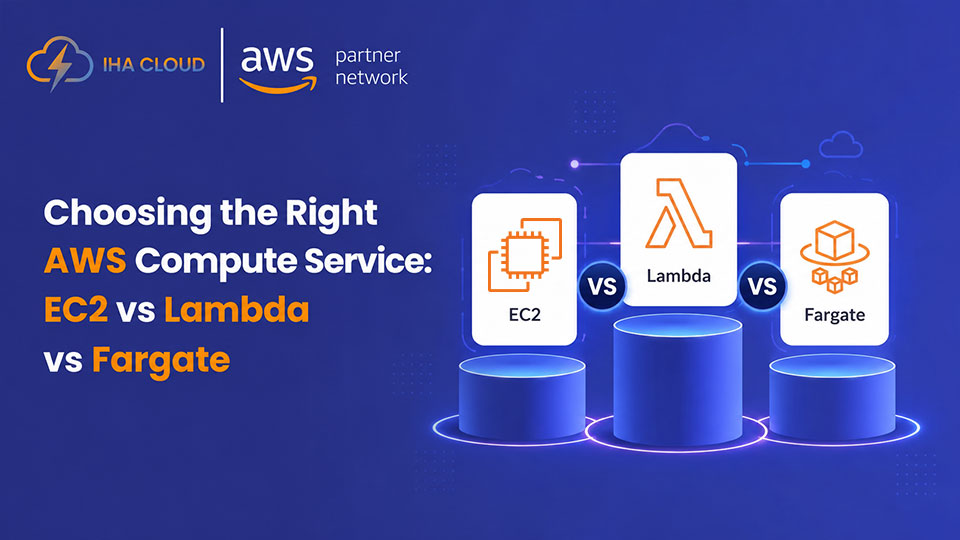
Cloud adoption has become essential for modern DevOps teams, and AWS continues to be the platform of choice. With its vast ecosystem of tools, automation capabilities, and enterprise-grade reliability, AWS helps DevOps teams deploy faster, operate smarter, and scale effortlessly. In this blog, you’ll learn the biggest benefits of moving to AWS for DevOps teams and how the shift can transform your delivery pipeline, infrastructure, and overall productivity. 1. Faster Deployment and Shorter Release Cycles   AWS provides managed CI/CD tools like CodePipeline, CodeBuild, and CodeDeploy, which help automate releases from start to finish. Key benefits:• Fewer manual steps and less room for error• Consistent release pipelines• Faster shipping of features and fixes These tools allow DevOps teams to deliver updates with confidence, even at high velocity. 2. On-Demand Scalability for Any Workload   One of the biggest advantages of AWS is its ability to scale applications automatically. With EC2 Auto Scaling, ECS, EKS, and Lambda, your infrastructure adjusts based on real-time demand. This ensures:• zero downtime during traffic spikes• efficient resource usage• lower costs than traditional hosting 3. Infrastructure as Code (IaC) Made Simple   AWS makes IaC seamless with CloudFormation, CDK, and Terraform support. DevOps teams get:• version-controlled infrastructure• repeatable environments• automated provisioning and rollbacks IaC eliminates configuration drift and keeps environments predictable from dev to prod. 4. Full Visibility with AWS Monitoring and Logging   Tools like CloudWatch, CloudTrail, and X-Ray provide deep insights into system performance and user behavior. This means you can:• detect issues early• analyze root causes quickly• monitor logs, metrics, and traces in one place Better observability means faster fixes and improved team productivity. 5. Strong Security and Governance   AWS offers world-class security capabilities that align with global compliance standards. Highlights include:• Identity and Access Management (IAM)• encryption by default• VPC isolation• GuardDuty, Security Hub, and AWS Config DevOps teams benefit from a secure foundation without spending time building these systems from scratch. 6. Cost Optimization and Better Resource Control   AWS’s pay-as-you-go model, along with tools like Cost Explorer, Savings Plans, and Trusted Advisor, helps DevOps teams optimize cloud spending. You gain visibility into unused resources and can make smarter decisions to reduce operational costs. 7. Improved Collaboration Across Teams   AWS standardizes environments and tooling across Dev, QA, Security, and Ops. This leads to:• smoother workflows• fewer configuration inconsistencies• shared dashboards and logs Teams communicate better when everyone works on the same reliable cloud platform. Conclusion Migrating to AWS unlocks automation, scalability, and reliability for DevOps teams. If you’re planning to modernize your infrastructure or streamline deployment workflows, AWS offers the right foundation. Frequently Asked Questions

Top 7 Benefits of Moving to AWS for DevOps Teams  Read More »