For many business leaders and non-technical stakeholders, a cloud application can feel like a black box. Code is written by developers, and somehow it becomes a live application used by customers. What happens in between is often unclear, yet those steps directly affect speed, reliability, security, and cost.
This article explains, in simple and practical terms, how a modern cloud application moves from code to production—and why each step matters to your business.
Step 1: Writing the Code
Everything starts with code. Developers write application logic, user interfaces, and APIs using programming languages and frameworks suited to the product.
At this stage:
- Features are built and improved
- Bugs are fixed
- Performance and security considerations begin early
Good code alone is not enough. What matters is how safely and efficiently it moves to production.
Step 2: Version Control and Collaboration
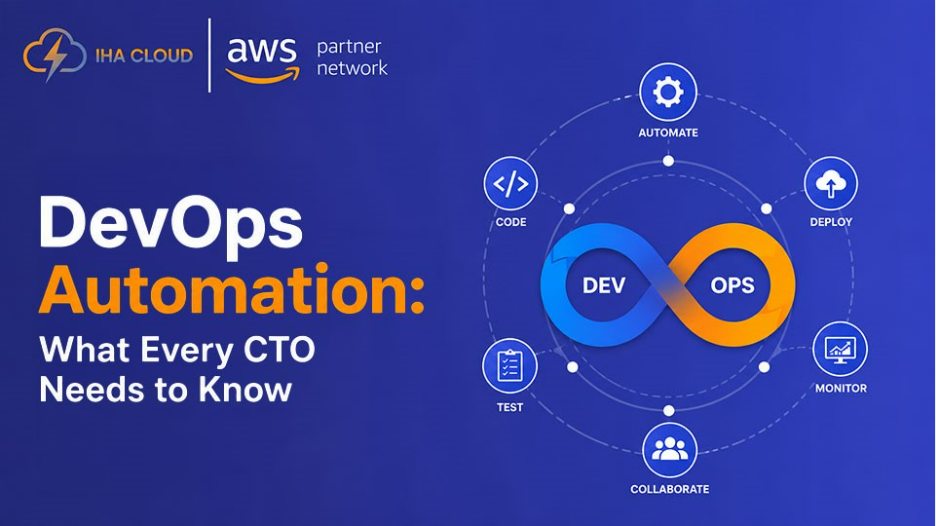
Once code is written, it is stored in a version control system such as Git. This allows teams to:
- Track changes
- Collaborate without conflicts
- Roll back if something breaks
Version control is critical for accountability and stability, especially as teams grow.
Step 3: Automated Build and Testing
When code is updated, automated systems take over. This process is commonly called CI (Continuous Integration).
Here, the system:
- Builds the application
- Runs automated tests
- Checks for errors, security issues, or failures
This step ensures that broken or risky code never reaches customers.
Step 4: Packaging the Application
Modern cloud applications are usually packaged in a consistent format, often using containers.
This ensures:
- The app runs the same way in every environment
- Fewer deployment-related issues
- Faster and more reliable releases
Packaging removes the “it works on my machine” problem.
Step 5: Deployment to Cloud Environments
After testing and packaging, the application is deployed to cloud environments such as development, staging, or production.
This process is automated using CI/CD pipelines, which:
- Deploy changes safely
- Reduce human error
- Enable faster releases
In cloud environments, applications can be deployed without downtime, even while users are active.
Step 6: Infrastructure and Scaling
Behind the scenes, cloud infrastructure supports the application.
This includes:
- Servers and containers
- Databases and storage
- Load balancers and networking
The cloud allows applications to:
- Scale automatically based on traffic
- Handle sudden demand without manual intervention
- Reduce resources when usage drops to control cost
Step 7: Security, Monitoring, and Reliability
Once the application is live, continuous monitoring begins.
This includes:
- Performance monitoring
- Error tracking
- Security monitoring
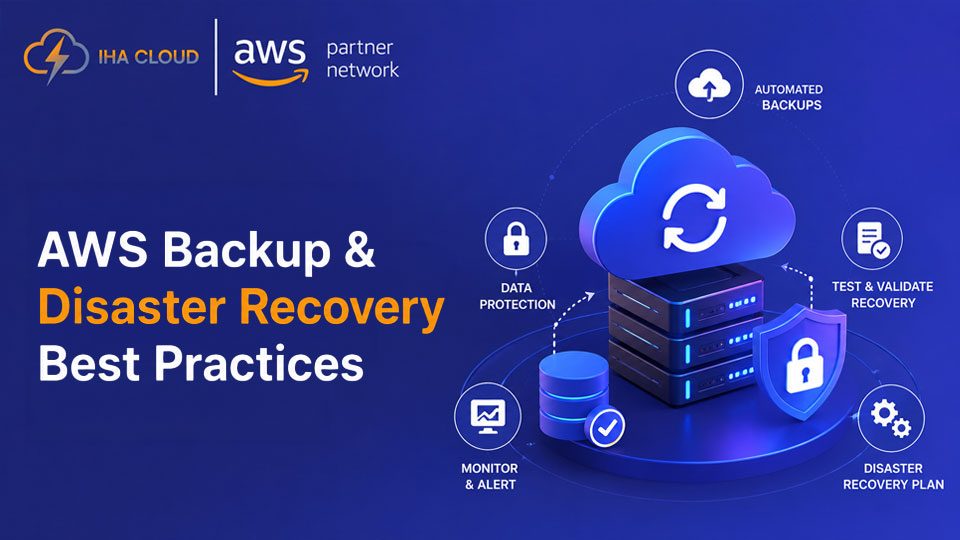
- Backup and disaster recovery
Problems are detected early, often before customers notice them. This is essential for maintaining trust and uptime.

Step 8: Continuous Improvement
A modern cloud app is never “finished.”
Teams continuously:
- Release updates
- Improve performance
- Optimize costs
- Strengthen security
Cloud platforms make this ongoing improvement possible without disrupting users.
Why This Process Matters for Businesses
This end-to-end flow is not just a technical process. It directly impacts:
- Time-to-market
- Application reliability
- Customer experience
- Operational cost
- Business scalability
When these steps are poorly designed or manually handled, businesses face downtime, slow releases, and higher costs.
How IHA Cloud Supports the Full Journey
At IHA Cloud, we help businesses manage the entire journey from code to production—reliably and efficiently.
We help you:
- Design modern cloud architecture
- Implement CI/CD pipelines
- Automate deployments
- Secure applications and infrastructure
- Monitor performance and availability
- Optimize cost and scalability
- Provide ongoing DevOps and cloud support
Whether you are launching a new product or modernizing an existing application, we ensure your cloud setup supports business growth, not operational risk.
Final Thoughts
From code to production, a modern cloud application goes through many critical steps. When designed correctly, this process enables faster innovation, higher reliability, and better cost control.
Understanding this flow helps business leaders make better decisions and choose the right cloud strategy and partners.